کد :
97
تاریخ انتشار :
پنجشنبه 25 تیر 1405
The Role of Iranian Edible Butter in Expanding Iran Non Oil Exports
The Role of Iranian Edible Butter in Expanding Iran Non Oil Exports
The Role of Iranian Edible Butter in Expanding Iran Non Oil Exports
Introduction
Expanding non-oil exports has become one of the primary pillars of Iran's economic development strategy, aimed at reducing dependence on crude oil revenues and promoting sustainable economic growth. In recent years, agricultural products and processed food industries have gained an increasingly important share of the country's export portfolio. Among these industries, the dairy sector has emerged as one of the most valuable contributors due to its high value-added products and growing international demand.
Among Iran's dairy products, edible butter has significant export potential thanks to its high quality, abundant raw milk supply, competitive production costs, and proximity to major regional markets. Rising demand for premium dairy products in neighboring countries, the Persian Gulf region, Central Asia, and emerging international markets presents new opportunities for Iranian butter producers to expand their global presence.
The Position of Edible Butter in Iran's Dairy Industry
Iran's dairy industry is one of the most advanced segments of the country's food manufacturing sector. Continuous investment in modern dairy farming, increased raw milk production, advanced processing technologies, and internationally equipped dairy factories has enabled Iran to manufacture export-quality edible butter.
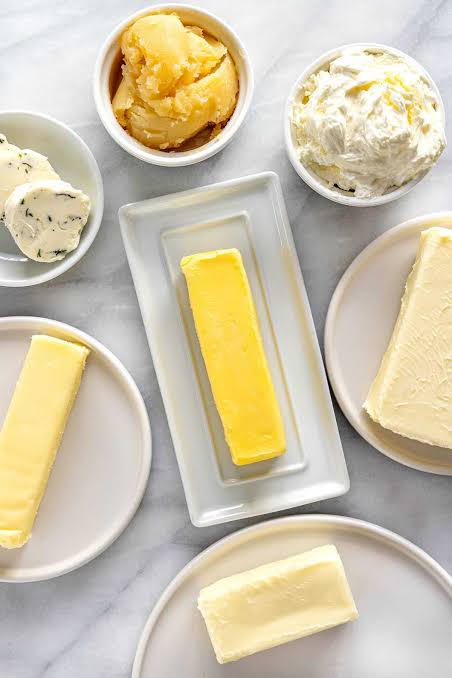
Iranian producers manufacture various types of butter, including:
-
Natural dairy butter
-
Pasteurized butter
-
Packaged consumer butter
-
Industrial butter for food processing applications
Many production facilities utilize automated processing and packaging lines that comply with international food safety and quality standards.
The Contribution of Edible Butter to Iran's Non-Oil Export Growth
The export of edible butter contributes to Iran's economy far beyond foreign exchange earnings. By processing raw milk into a high-value dairy product, the industry creates greater economic value throughout the agricultural supply chain while enhancing the competitiveness of Iran's food exports.
The economic benefits of butter exports include:
-
Increasing foreign exchange revenues
-
Reducing dependence on oil-based income
-
Supporting the growth of the dairy processing industry
-
Creating employment throughout the dairy supply chain
-
Strengthening the global reputation of Iranian food products
-
Enhancing value addition in domestic milk production
As Iran continues to diversify its export portfolio, edible butter has the potential to become an increasingly important component of the country's non-oil export strategy.
Competitive Advantages of Iranian Edible Butter
1. High-Quality Raw Milk
Iran's industrial and semi-industrial dairy farms provide a reliable supply of high-quality fresh milk, enabling manufacturers to produce butter with excellent flavor, texture, nutritional value, and consistency.
2. Competitive Production Costs
Access to domestic milk supplies, experienced professionals, and an established dairy processing industry allows Iranian producers to manufacture butter at competitive costs compared with many international competitors.
3. Product Diversity
Iranian manufacturers offer a wide variety of butter products in both retail and industrial packaging formats, allowing them to meet the requirements of wholesalers, retailers, and food manufacturers in different export markets.
4. Technological Development
Modern processing equipment, automated packaging systems, advanced quality control procedures, and efficient cold chain management have significantly improved product quality, shelf life, and export readiness.
Target Export Markets
Iranian edible butter has strong potential in several regional and international markets, including:
-
Iraq
-
Afghanistan
-
United Arab Emirates
-
Oman
-
Qatar
-
Armenia
-
Azerbaijan
-
Central Asian countries
With continued improvements in international certifications, logistics infrastructure, and trade cooperation, additional opportunities exist in African markets and Southeast Asia.
Impact on Employment and Industrial Development
The expansion of butter exports stimulates growth across the entire dairy value chain rather than benefiting only manufacturers.
This includes:
-
Dairy farms
-
Milk collection centers
-
Butter processing facilities
-
Packaging manufacturers
-
Refrigerated transportation companies
-
Food exporters
-
Logistics and distribution providers
As export volumes increase, investment, employment opportunities, and industrial productivity throughout these sectors are expected to grow accordingly.
Challenges to Export Expansion
Despite its considerable potential, Iran's edible butter industry faces several challenges:
-
Strong competition from established European and New Zealand dairy brands
-
High refrigerated transportation and cold-chain logistics costs
-
Fluctuations in global dairy prices
-
International banking and financial restrictions
-
Strict import regulations and food safety requirements in certain destination markets
Addressing these challenges will require continued investment in technology, international marketing, export infrastructure, and trade facilitation.
Strategies for Increasing Butter Exports
Several initiatives can further strengthen the international competitiveness of Iranian edible butter:
-
Expanding compliance with international food safety and quality standards
-
Investing in advanced production and packaging technologies
-
Developing efficient cold-chain logistics
-
Participating in international food and dairy exhibitions
-
Building partnerships with overseas importers and distributors
-
Developing export-oriented brands with market-specific packaging
-
Utilizing digital marketing and international e-commerce platforms
These measures can significantly increase Iran's share of regional and global dairy markets.
Future Outlook
Global demand for dairy products continues to rise due to population growth, urbanization, and increasing food consumption. These trends create promising opportunities for Iranian butter producers to expand their international market presence.
With abundant raw milk resources, skilled professionals, modern production facilities, and a strategic geographic location connecting Asia, the Middle East, and neighboring countries, Iran is well positioned to strengthen its role in the global dairy trade.
Continued investment in export infrastructure, international branding, quality assurance, and trade partnerships can transform edible butter into one of Iran's most valuable non-oil export products.
Conclusion
Iranian edible butter is a high-value dairy product with significant potential to contribute to the expansion of the country's non-oil exports. High-quality raw materials, competitive production costs, modern manufacturing technologies, and strategic access to regional markets provide Iranian producers with important competitive advantages.
Although butter currently represents a relatively modest share of Iran's non-oil exports compared with some other dairy products, continued improvements in production quality, international branding, logistics, and export market development can substantially increase its contribution to foreign exchange earnings, employment generation, industrial growth, and the sustainable development of Iran's economy.
FORE MORE INFO CALL US IN
PARVISICO.COM
WE READY FOR START PROJECT FOR EXPORT
برچسب ها :